
Our key venues for arts and culture offer year-round cultural experiences.

Choose a bird and make a pledge
In this activity we focus on birds in our backyards and end your exploration with a pledge to support for our feathered friends.
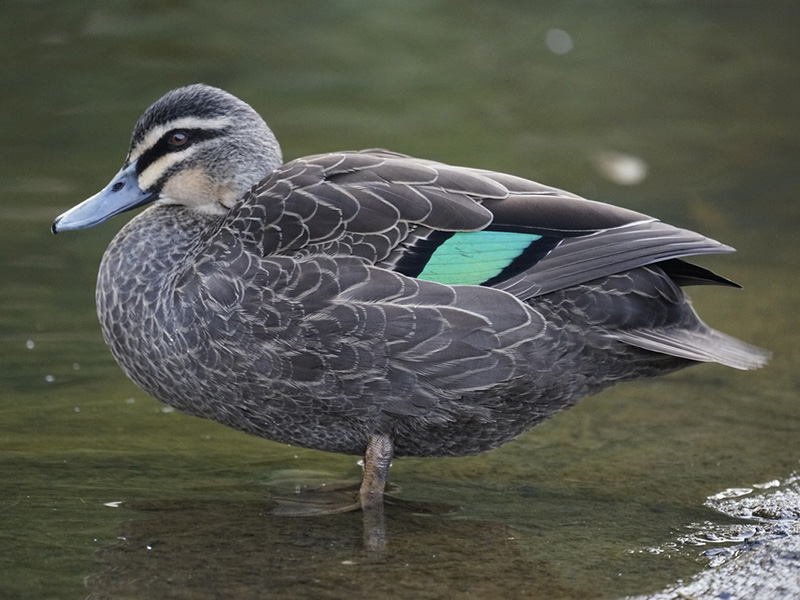
Pacific black duck Anas superciliosa
Type: Water bird – Duck family
Food: Omnivorous – plant material (stems, shoots, leaves, seeds, roots and other aquatic vegetation), and small crustaceans, molluscs and aquatic insects.
Habitat: Freshwater (urban and natural areas), and intertidal mudflats.
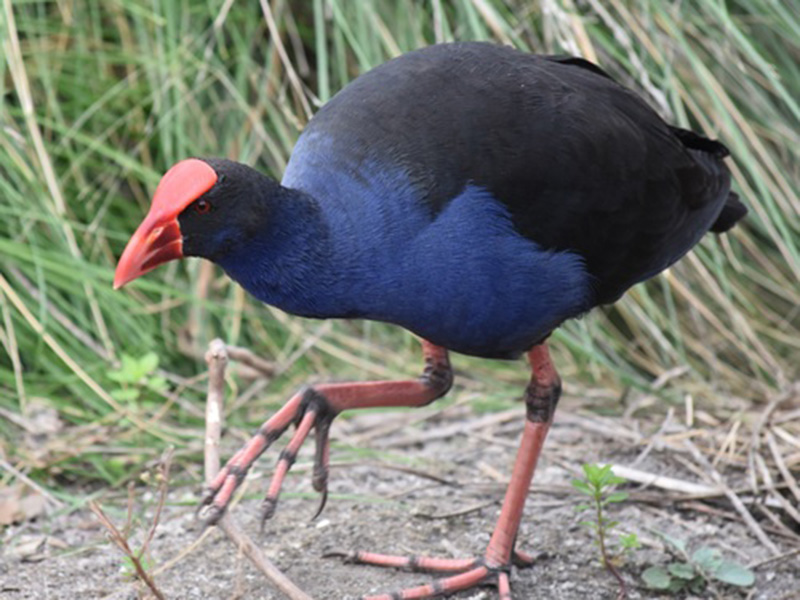
Australasian swamphen Porphyrio melanotus
Type: Water bird – Rail family
Food: Omnivorous – plant material (stems, shoots, leaves, seeds, roots and other aquatic vegetation), insects and small animals (including frogs, other bird eggs).
Habitat: Freshwater wetlands, swamps, marshes and waterways (urban and natural areas), and sometimes feed in open pasture and roadside verges.
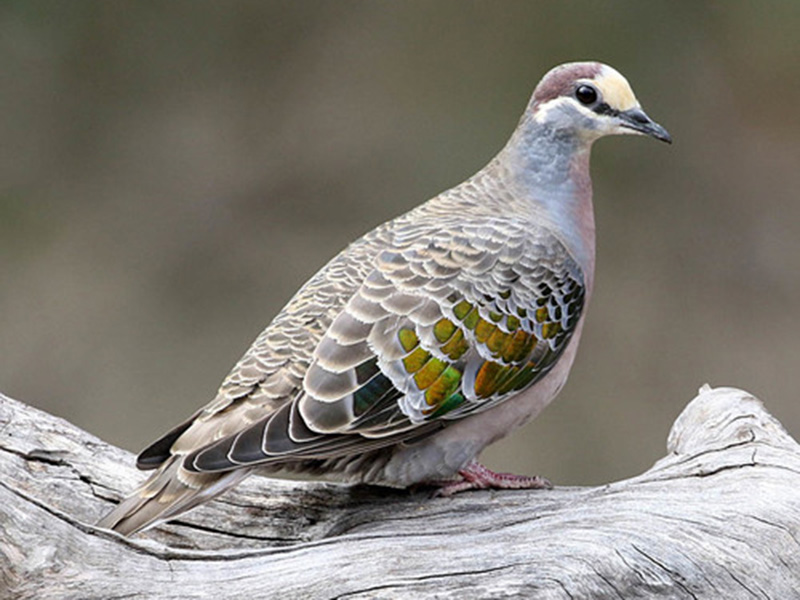
Common bronzewing Phaps chalcoptera
Type: Ground dwelling bird – Pigeon family
Food: Herbivorous – seeds and other plant material.
Habitat: Across nearly every habitat type (urban and natural areas), except barren areas and dense rainforests.
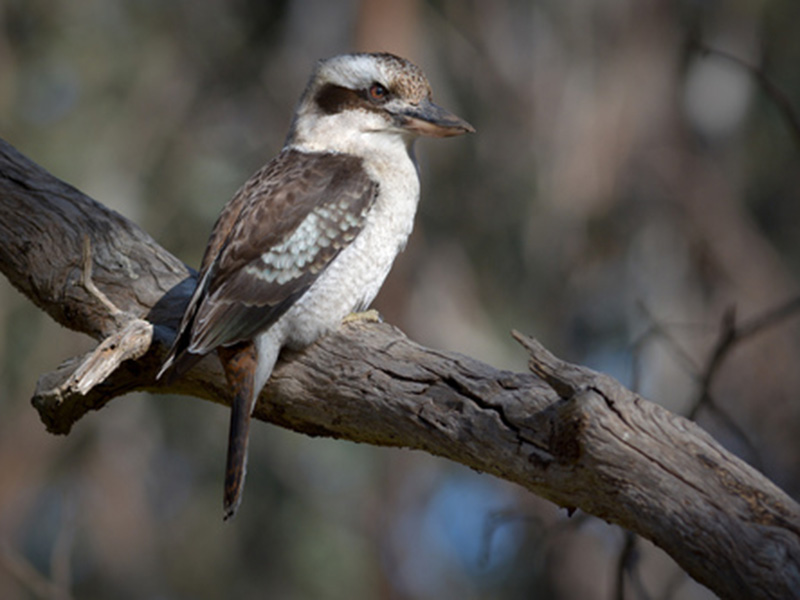
Laughing kookaburra Dacelo novaeguineae
Type: Terrestrial, arboreal bird – Kingfisher family
Food: Carnivorous – insects, crustaceans, worms and other smalls animals
Habitat: Across a wide variety of habitats (urban and natural areas), prefer treed habitats.
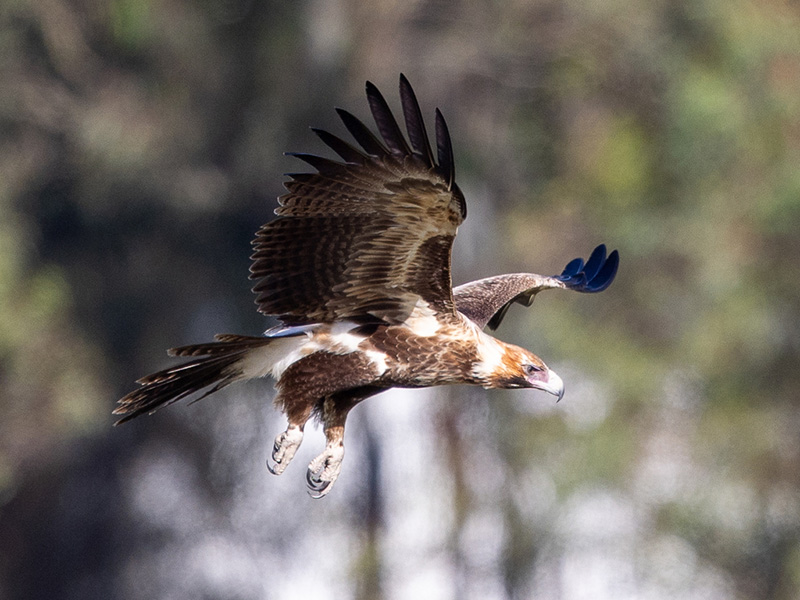
Wedge-tailed eagle (Mibunn) Aquila audax
Type: Birds of prey – Eagle family
Food: Carnivorous – mostly carrion (roadkill and carcasses), and live prey (including mammals and reptiles).
Habitat: Across a wide variety of habitats, prefer forested and open country areas.
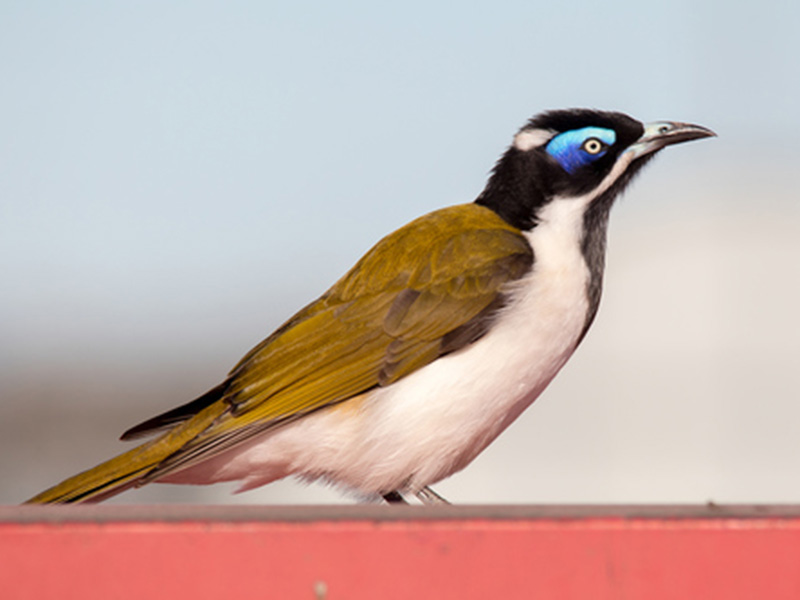
Blue-faced honeyeater Entomyzon cyanotis
Type: Passerine – Honeyeater family
Food: Omnivorous – nectar, fruit, insects and other invertebrates.
Habitat: Open forests, woodlands, mangroves, parks and gardens (urban and natural areas), particularly near water.
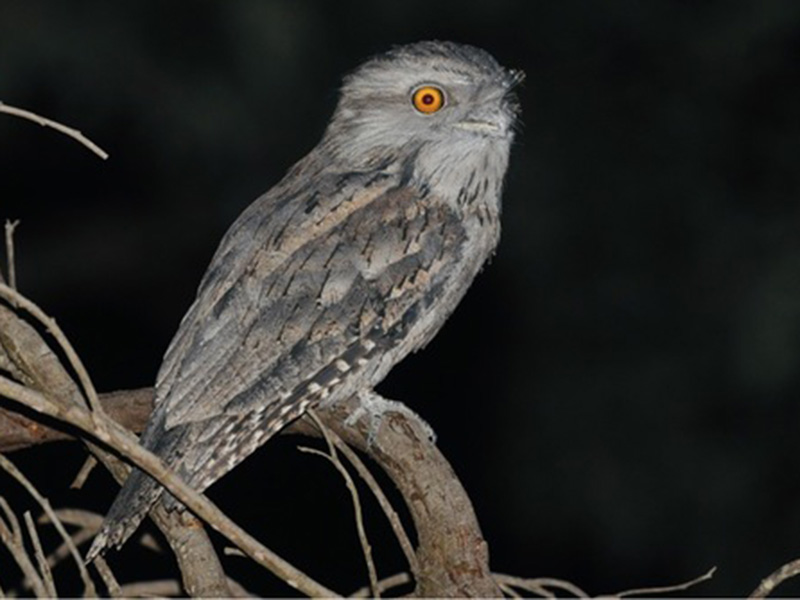
Tawny frogmouth Podargus strigoides
Type: Nocturnal – Frogmouth family
Food: Carnivorous – insects and other invertebrates, and small mammals, reptiles, amphibians and birds.
Habitat: Across a wide variety of habitats (urban and natural areas), prefer open woodlands and forests.
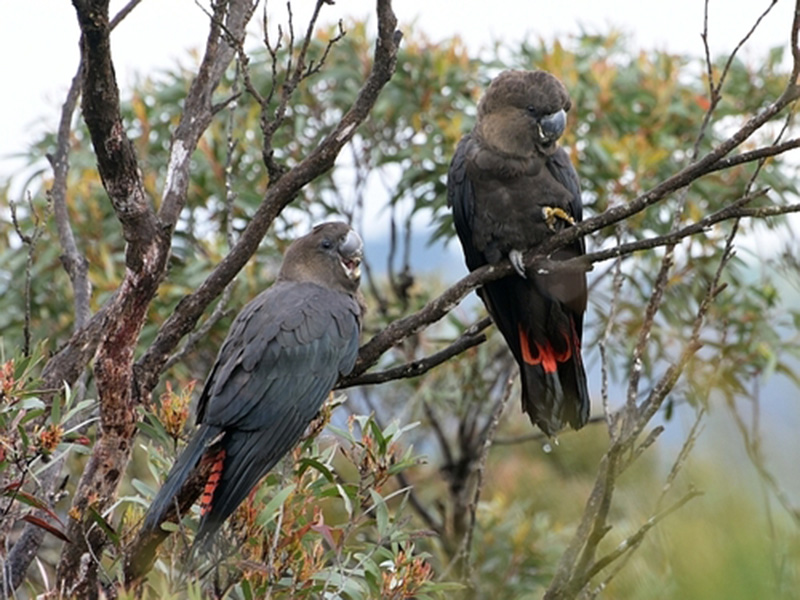
Glossy black-cockatoo Calyptorhynchus lathami
Type: Terrestrial, arboreal bird – Cockatoo family
Food: Herbivores – specialist feeders that almost exclusively eat seeds in the cones of she-oak trees.
Habitat: Open woodlands and forests, dominated by she-oaks.
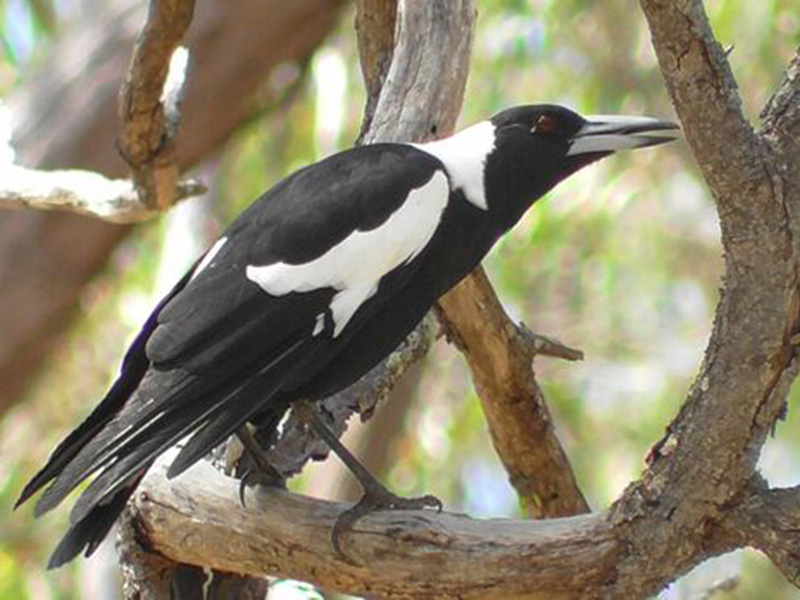
Australian magpie Gymnorhina tibicen
Type: Passerine – Butcherbird family
Food: Omnivorous – insects and other invertebrates, and small mammals, reptiles, amphibians and birds. Occasionally fruit and seeds.
Habitat: Across a wide variety of habitats (urban and natural areas), prefer open areas with nearby trees.
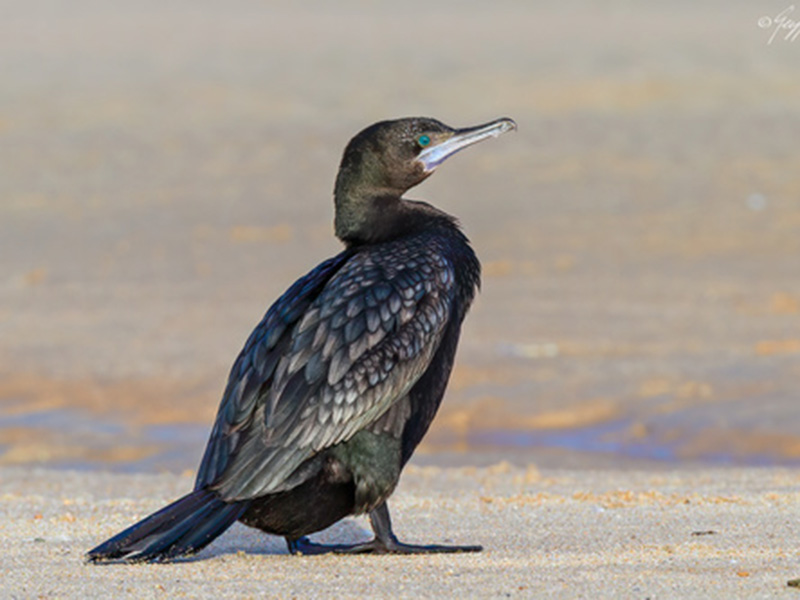
Little black cormorant Phalacrocorax sulcirostris
Type: Water bird – Cormorant and Shag family
Food: Carnivorous – fish, crustaceans and aquatic insects.
Habitat: Freshwater wetlands and waterways, occasionally sheltered coastal areas.
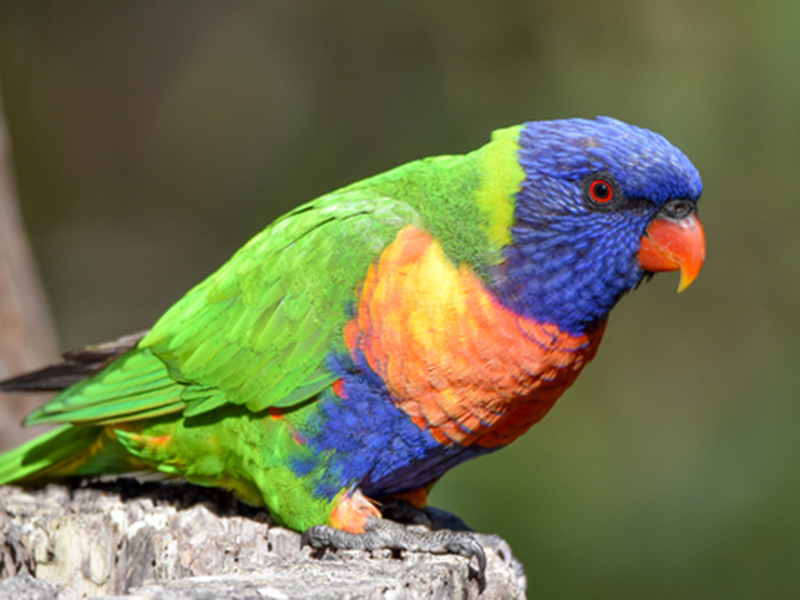
Rainbow lorikeet Trichoglossus moluccanus
Type: Terrestrial, arboreal bird – Parrot family
Food: Omnivorous – specialised feeders on nectar and pollen from flowering plants (frugivores, nectarivores). Occasionally fruits, seeds and insects.
Habitat: Across a wide variety of habitats (urban and natural areas), prefer treed habitats.
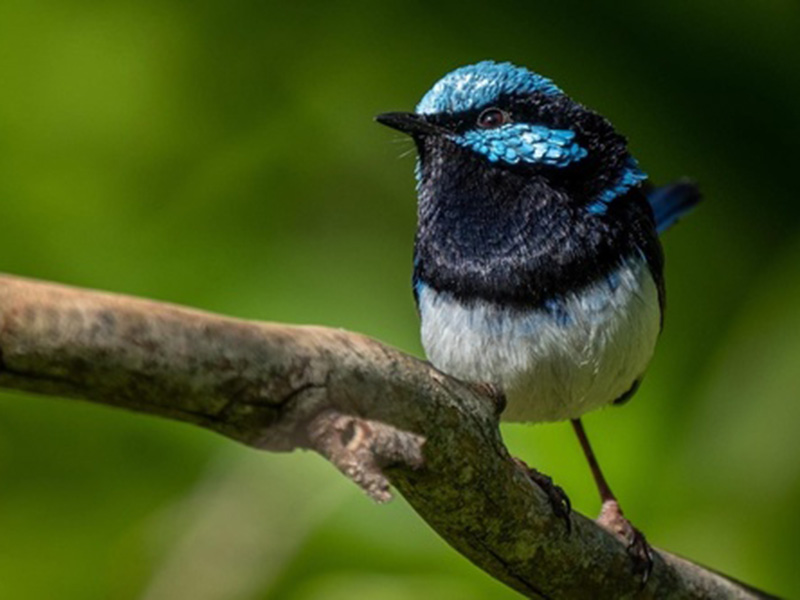
Superb fairywren Malurus cyaneus
Type: Passerine – Fairywren family
Food: Insectivorous – insects and other small invertebrates. Occasionally small fruits and seeds.
Habitat: Across a wide variety of habitats (urban and natural areas) with dense understory vegetation.